The Defeat of the Romans in the Nearest Land: Quranic Miracle or Historical Error?
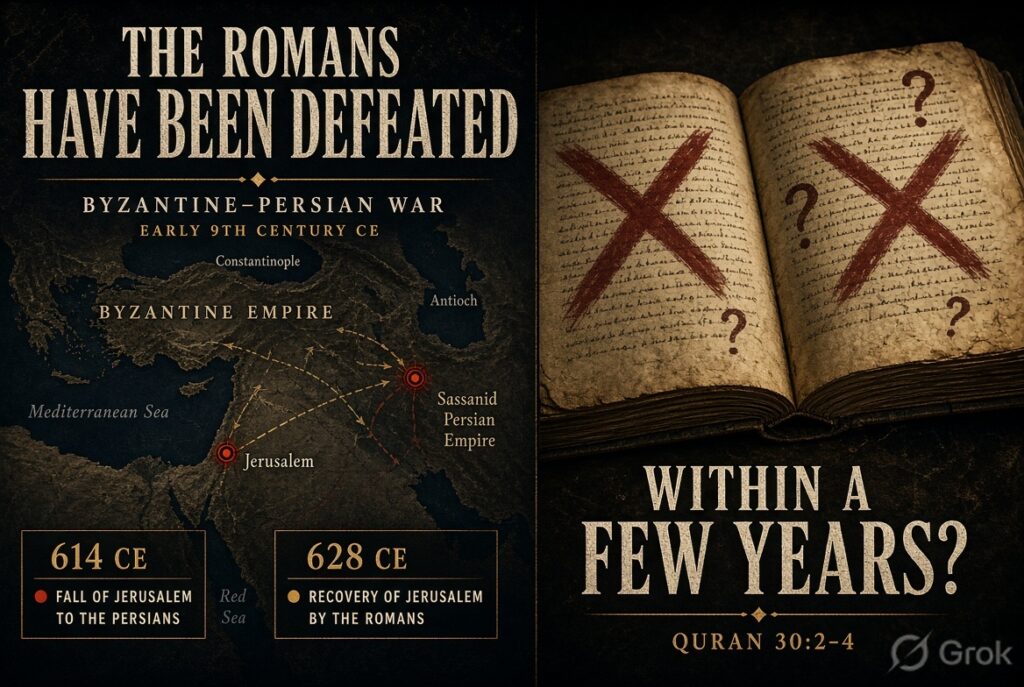
Islamic tradition presents Quran 30:2–4 as a remarkable prophecy: “The Romans have been defeated in the nearest land. But after their defeat they will overcome within a few years (bid‘ sinīn). To Allah belongs the command before and after. And that day the believers will rejoice in the victory of Allah.” Apologists claim the verses […]
The Moon-Splitting Claim: What the Quran Itself Indicates
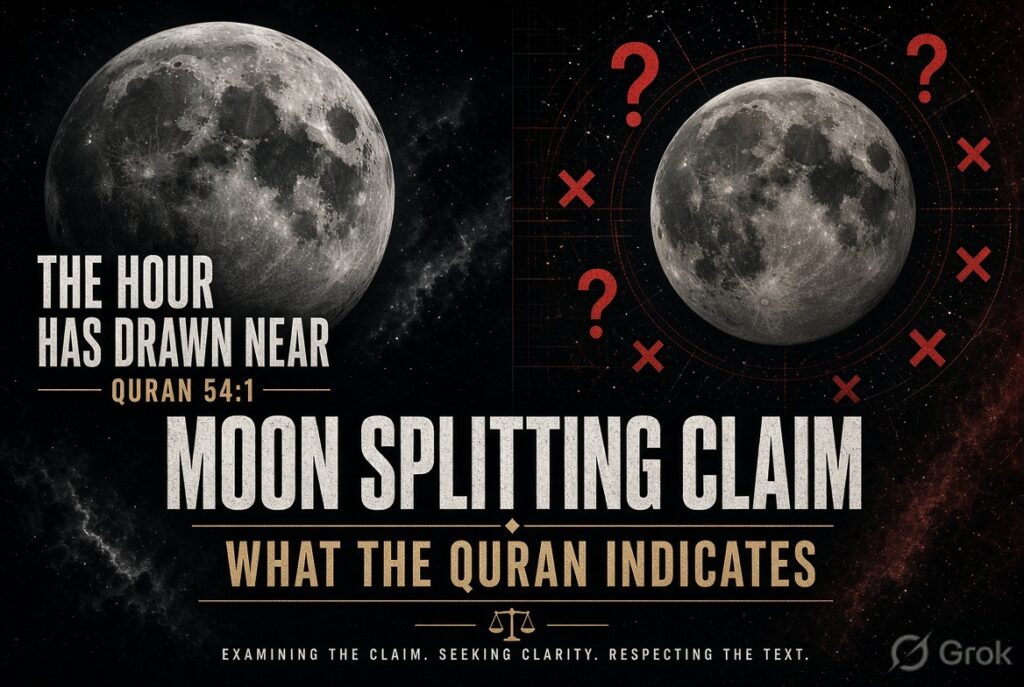
Islamic tradition asserts that Muhammad split the moon as a miracle in Mecca, and that Quran 54:1 records the event: “The Hour has drawn near, and the moon has split.” Apologists argue that the perfect-tense verb inshaqqa proves the splitting already occurred in the past. A closer look at the language, context, parallel verses, and […]
Scientific Problems with the Claim That the Quran Describes the Big Bang
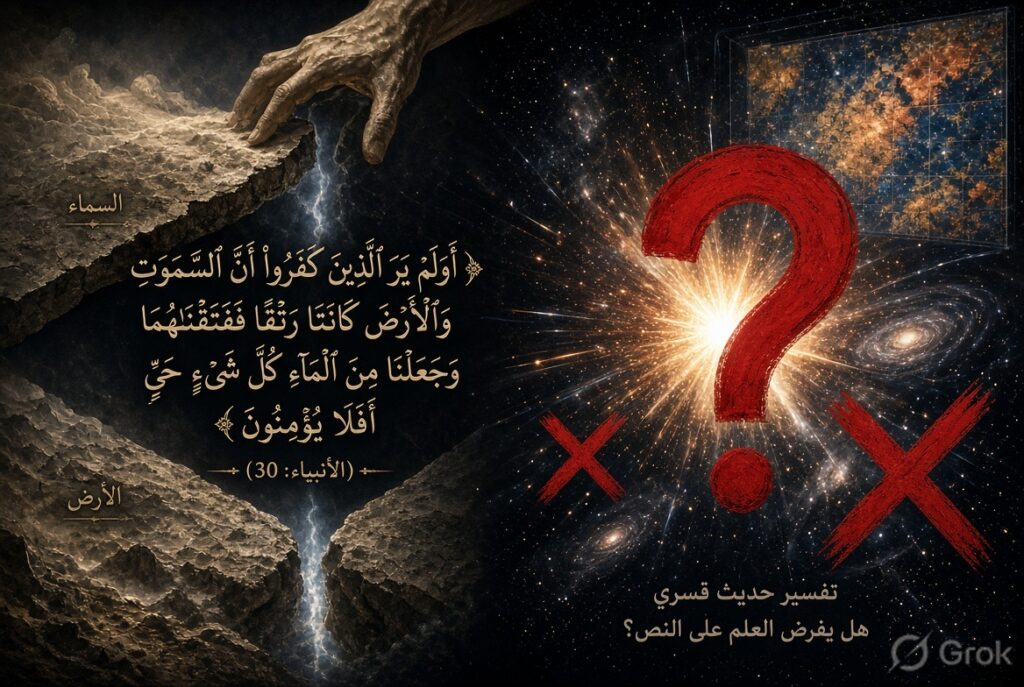
Some modern Muslim apologists assert that Quran 21:30 anticipates the Big Bang theory. The verse is often translated along these lines: “Do the disbelievers not realize that the heavens and the earth were once one mass, which We then split apart?” The Arabic terms at the center of the claim are ratqan (رَتْقًا) and fafataqnāhumā […]
Did the Quran Really State That the Universe Is Expanding?
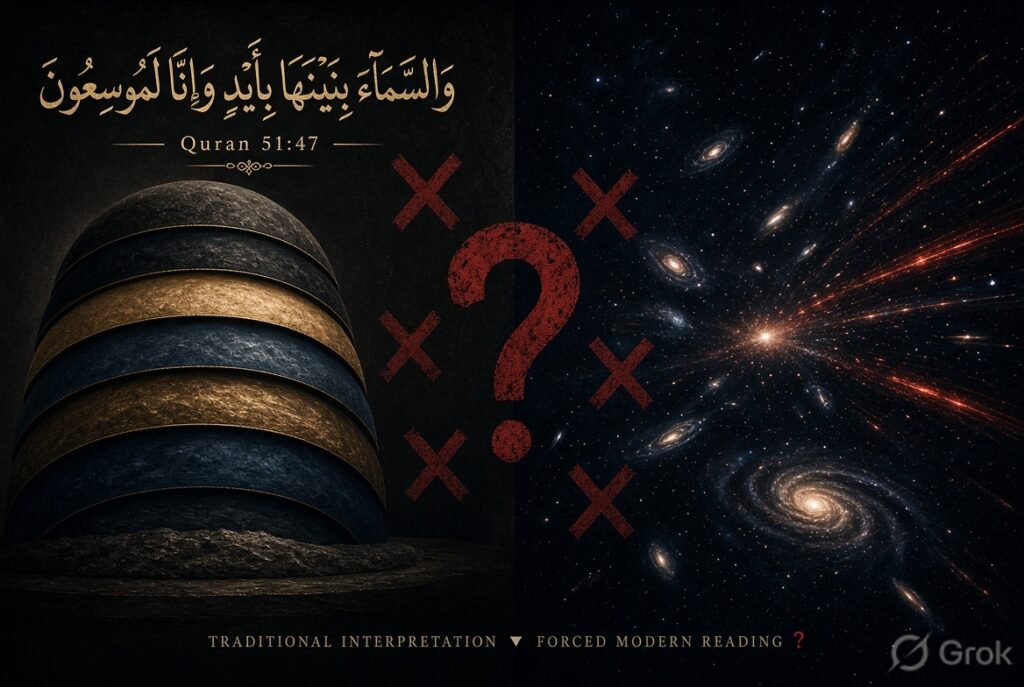
Modern Muslim apologists, including figures such as Zakir Naik and Harun Yahya, claim that Quran 51:47 describes the continuous expansion of the universe—a scientific fact established only in the 20th century. They present this as evidence of divine foreknowledge. The verse in Arabic reads: وَالسَّمَاءَ بَنَيْنَاهَا بِأَيْدٍ وَإِنَّا لَمُوسِعُونَ Popular modern translations render the final […]
The Pharaoh’s Mummy: Examining Claims of a Quranic Miracle
One of the most frequently cited “scientific miracles” of the Quran is the preservation of Pharaoh’s body. Muslims point to Quran 10:90–92, where Allah declares that He will save Pharaoh’s body as a sign for later generations after the drowning in the sea. When the mummy of Ramesses II was discovered and studied, some popular […]
Quranic Scientific Mistake: Mountains as Pegs
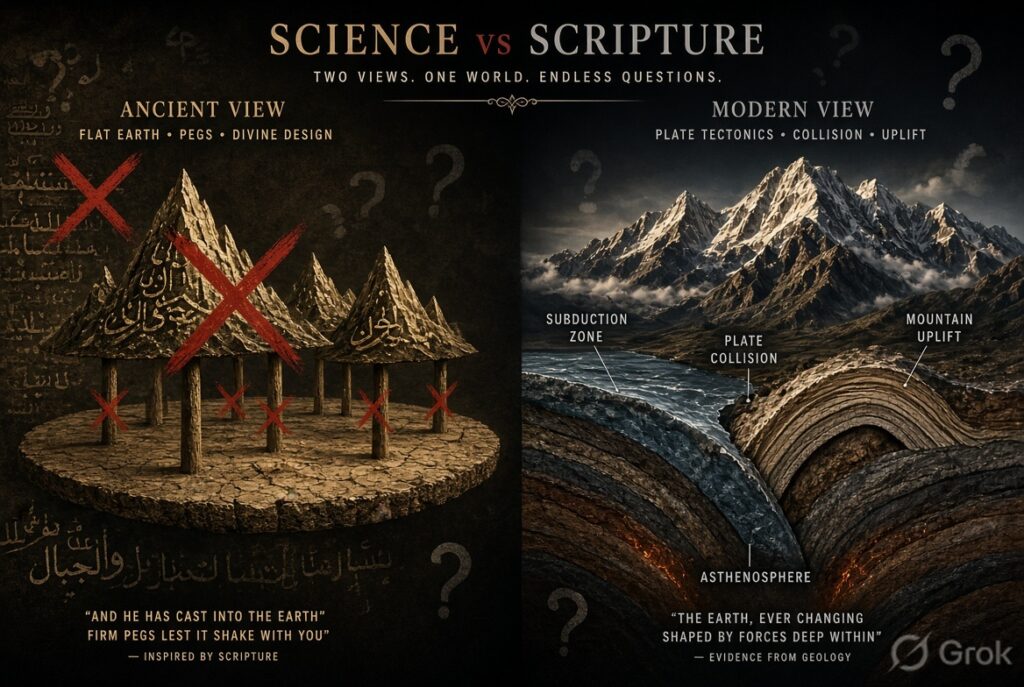
Muslims often claim that modern science has confirmed the Quranic description of mountains as “pegs” that stabilize the Earth, presenting it as a miracle revealed 1,400 years ago. Two key verses are cited: Quran 78:7: “And the mountains as pegs?” Quran 21:31: “And We placed on the earth firmly set mountains, lest it should shake […]
Islam Prohibited the Hijab for Slave Women and Kept Their Breasts Uncovered
In classical Islamic law and practice, the hijab was not treated as a universal requirement of modesty for all women. It functioned primarily as a marker of free status. Free Muslim women were ordered to cover themselves so they could be distinguished from slave women. Slave women were not required—and in many rulings were actively […]
Prophetic Science: Women Experience Wet Dreams and Their Discharge Is Yellow
A well-known Hadith records a conversation between the Prophet Muhammad and Umm Sulaim regarding women and nocturnal emissions. In Sahih Muslim 311 and Sahih al-Bukhari 130, Anas ibn Malik reports that Umm Sulaim asked the Messenger of Allah about a woman who sees in a dream what a man sees (i.e., a sexual dream). The […]
Allah Was in the Clouds and His Throne Was on Water Before Creation
In Surah Hud, verse 7, the Quran states that before the creation of the heavens and the earth, Allah’s Throne was upon the water: “And it is He who created the heavens and the earth in six days, and His Throne was upon the water before that.” (Quran 11:7) This understanding is reinforced by several […]
Quranic Verses and Modern Values: A Critical Examination
Certain Quranic verses prescribe practices incompatible with modern human rights, gender equality, and religious pluralism. This article examines the most frequently contested verses through their plain meaning and classical understanding. It also scrutinizes two verses commonly cited to claim compatibility with liberal values—Quran 2:256 (“no compulsion in religion”) and Quran 5:32 (“whoever saves a life”)—and […]