
Pregnancy of a Virgin Slave Girl Used as Evidence of Fornication – Even if She Was Raped
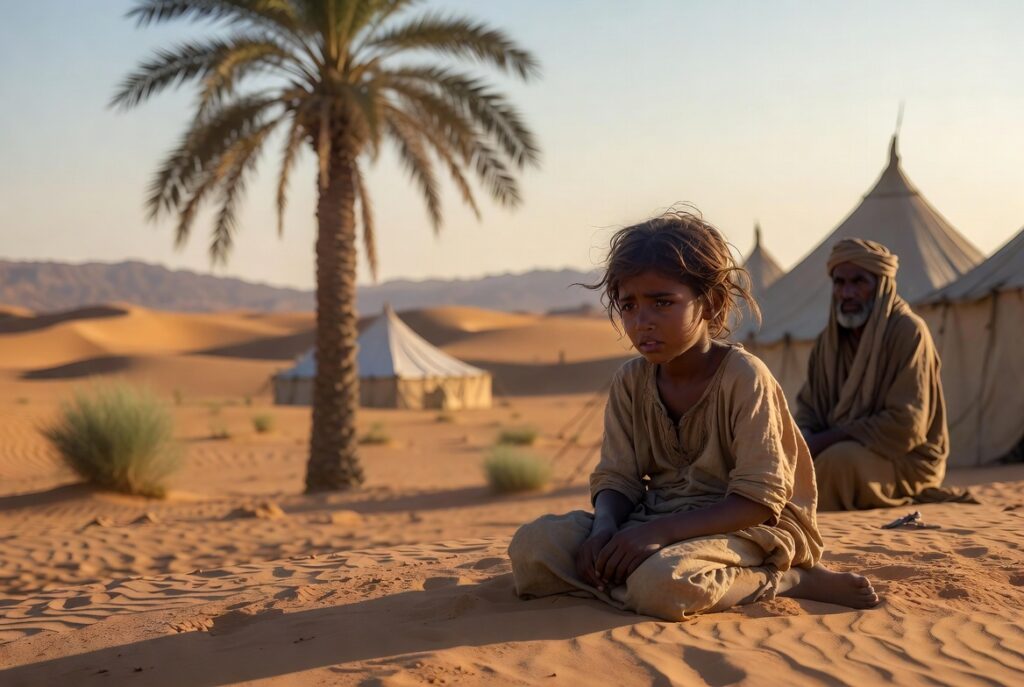
In Islamic Sharia, proving rape committed by a free Muslim man against a slave girl was practically impossible. The standard requirement for zina (unlawful sexual intercourse) is four male eyewitnesses who directly saw “the act like a kohl stick entering a kohl container” (i.e., penetration). Such testimony was almost never available in cases of rape. […]
No Punishment for a Master Who Kills His Slave by Beating
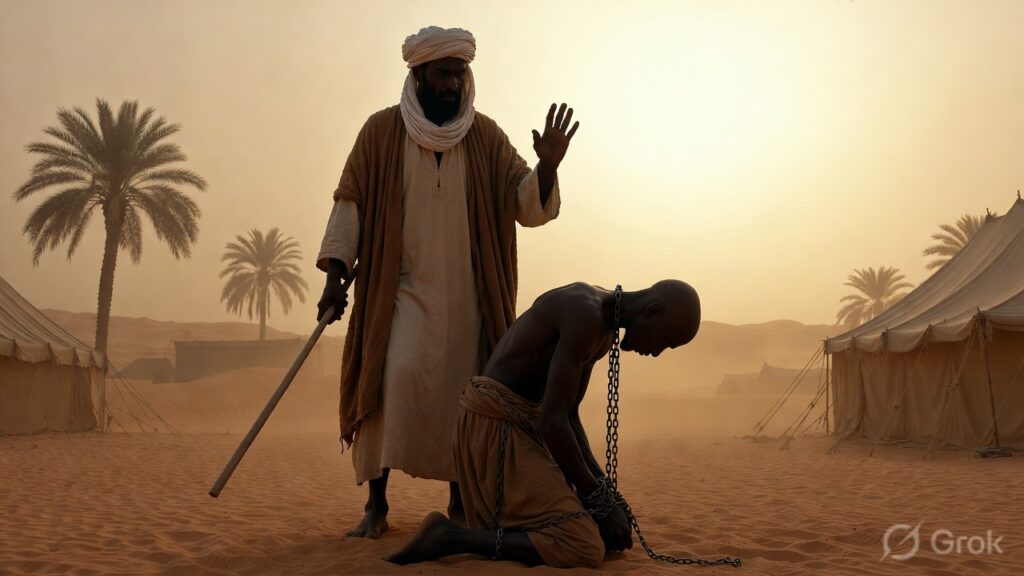
In Islamic Sharia, the rules regarding the killing of a human being varied dramatically depending on the status of the killer and the victim: If a free Muslim kills another free Muslim The killer faces either qiṣāṣ (retaliation — execution) or must pay diyya (blood money). Once diyya is paid, no further physical punishment (qiṣāṣ […]
Allah and Muhammad Permitted the Killing of Fleeing Slaves to Prevent Escape from Cruelty
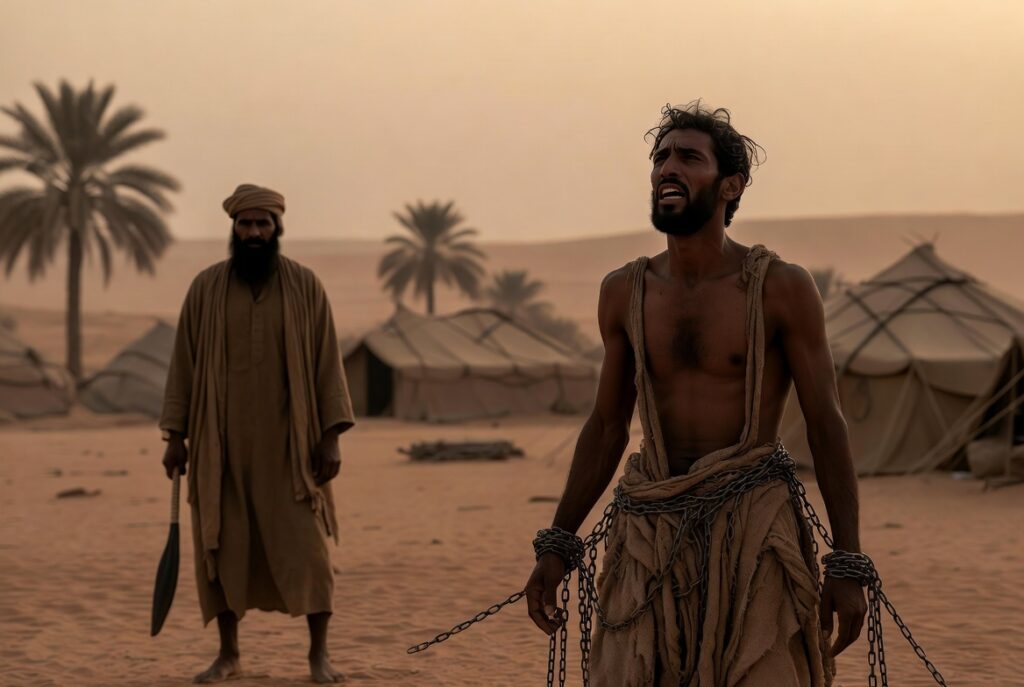
In nearly every ancient civilization, slaves who attempted to escape the brutality of their owners faced severe punishment. Yet Islamic teachings, as recorded in authentic hadith collections, imposed an especially harsh and multi-layered system to deter slaves from fleeing—one that combined physical violence with spiritual condemnation. Muhammad established what can be described as a “double-layered” […]
Muhammad’s Command to Kill Elderly Captives Unable to Serve as Slaves
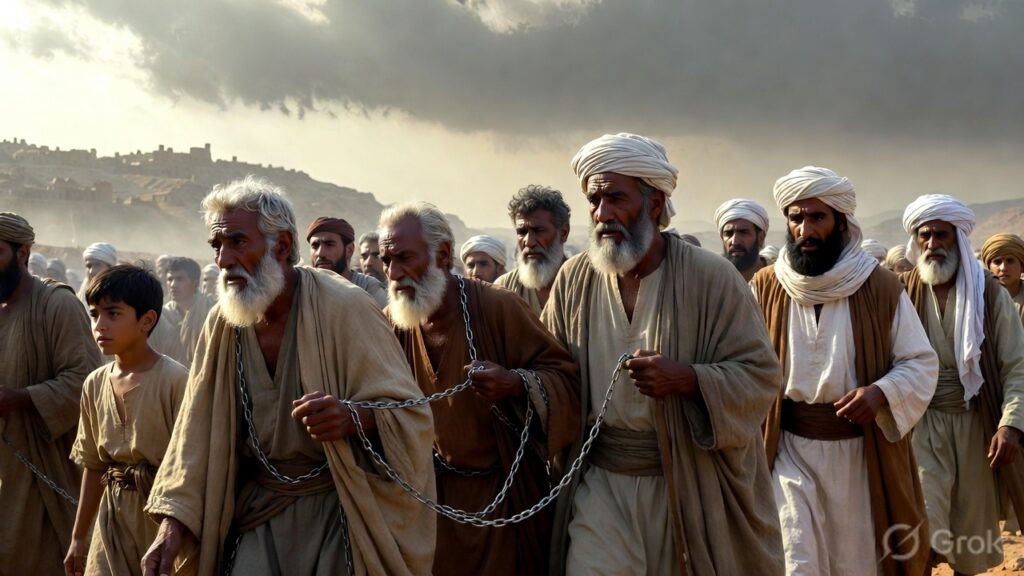
Prophet Muhammad ordered the killing of elderly captives in certain cases, particularly when they were deemed incapable of performing useful labor as slaves or when selling them would yield no financial return. Keeping them alive was seen as an unnecessary burden on their captors. Sunan al-Tirmidhi (Book of Battles) records: Samurah ibn Jundab reported that […]
Muhammad’s Perspective: Recite a Prayer When Buying a Slave Girl, but No Such Prayer Needed for a Male Slave
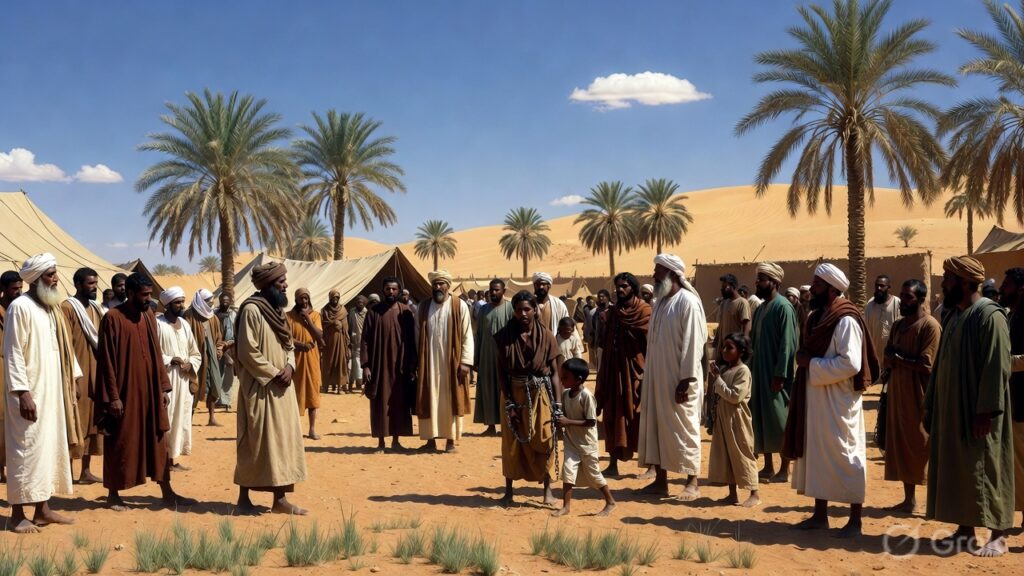
Sunan Ibn Majah 2252 records: The Messenger of Allah (ﷺ) said: “When any one of you buys a slave woman, let him say: ‘Allahumma inni as’aluka khairaha wa khaira ma jabaltaha alaihi, wa a’udhu bika min sharriha wa sharri ma jabaltaha alaihi’ (O Allah, I ask You for the goodness within her and the goodness […]
Quran 33:59 and the Selective Protection of Free Women: A Critique of Class-Based Modesty and Unaddressed Exploitation
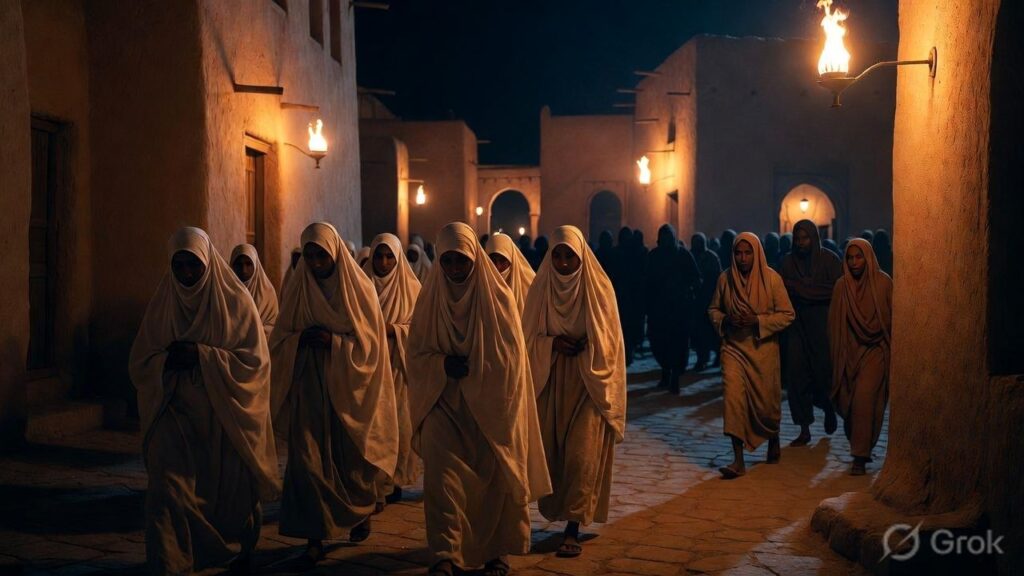
In Quran 33:59, Allah instructs the Prophet Muhammad to command believing women—particularly his wives and daughters, given their elevated status—to draw their jilbabs (outer garments) over themselves when going out. The explicit purpose, as elaborated in classical tafsirs such as Ibn Kathir’s, is to make free Muslim women visually distinct from slave women and from […]
Forcing Slave Women into Prostitution as a Source of Income in Islamic Sharia
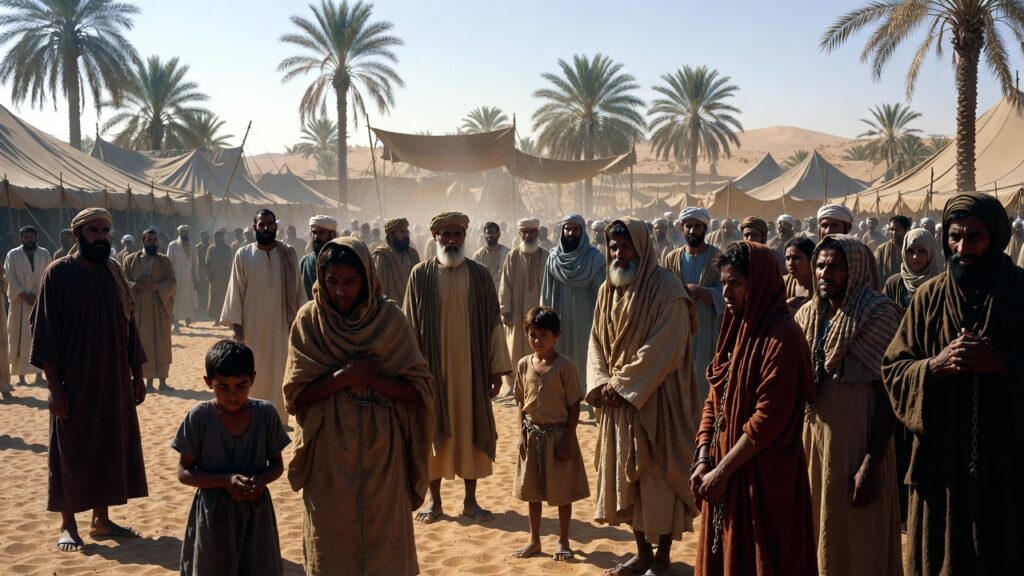
In the Indian subcontinent, enslaved girls were commonly sold in diamond markets. They were trained in singing and dancing, treated as objects of sexual gratification, and used by their owners as a steady source of income through prostitution. The roots of this practice trace back to early Islamic legal rulings and precedents. Historical sources show […]
Slaves Not Considered Human Enough to Testify in Court According to Allah / Muhammad
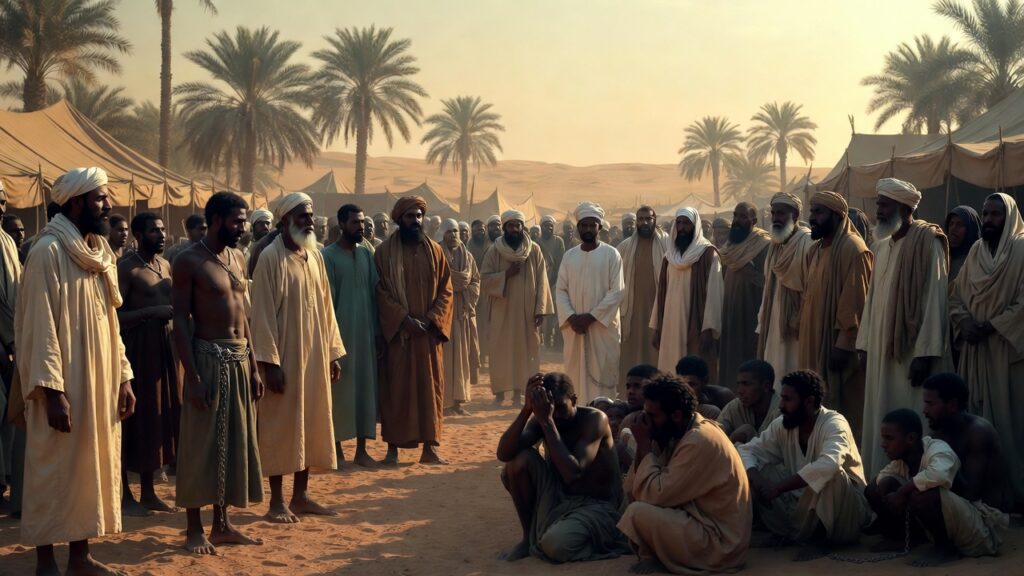
While a single statement from a slave woman was considered sufficient for a man to have sexual relations with her (i.e., if she came and claimed her master had gifted or made her lawful to him, that was accepted without witnesses), the same legal system did not regard slaves as human enough to give valid […]
No Witness Required for Sex with Slave Girls in Islamic Sharia – Even with Another Man’s Slave
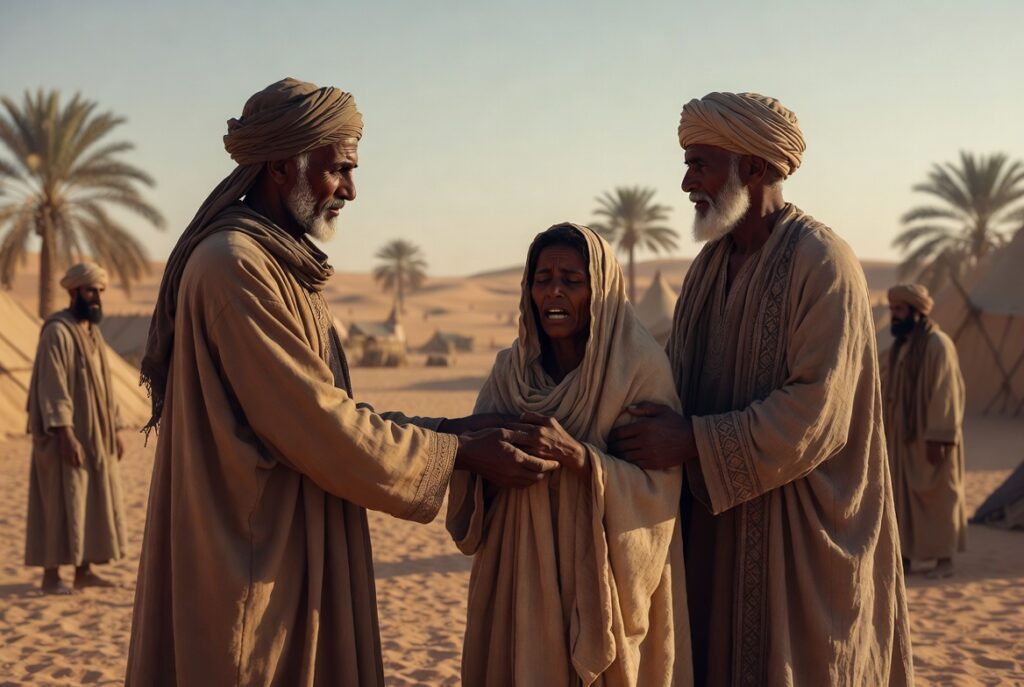
Under Islamic Sharia, a man did not need any witnesses, nikah (marriage contract), or formal ceremony to have sexual relations with his female slave. He could simply purchase her and begin using her sexually at will. This rule extended even further: the owner was permitted to “gift” or lend his slave girl to his brother, […]
Prophet Muhammad and the Slave Trade: Why Was It Not Abolished?
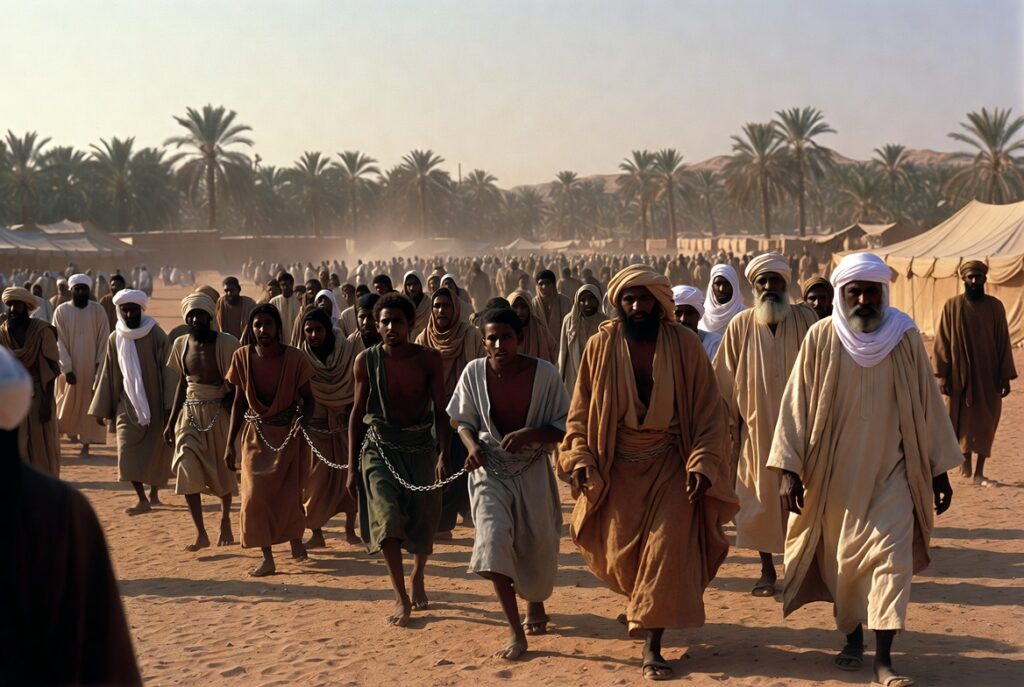
If Islam, through the teachings of Prophet Muhammad, aimed to elevate humanity and promote justice, a key question arises: Why did the Prophet not prohibit the slave trade with non-Muslim regions? Islamic slave markets flourished for centuries, supplied by captives taken from distant lands including Africa, Europe, and Asia. Women and girls were paraded, inspected, […]