
Manuals of Islamic Sexual Slavery in the Medieval Period

In the medieval Islamic world (particularly from the 10th to 12th centuries), several erotic compendia (sex manuals) and slave-purchase manuals were written. These texts advised buyers on selecting, inspecting, and using female slaves, who were legally available for sexual relations under Islamic law (as concubines). One scholarly study on this topic is the paper: “Slaves […]
Ibn Battuta’s Account of Sultan Muhammad bin Tughlaq’s Court During Eid

In his famous travelogue The Travels of Ibn Battuta (A.D. 1325–1354), the Moroccan explorer describes the customs at the court of Sultan Muhammad bin Tughlaq (ruler of the Delhi Sultanate) during the festivals of Eid. Ibn Battuta writes: “Then the musicians and dancers come in. First of all, the daughters of the infidel Indian kings […]
Kidnapping and Raping Another Man’s Slave Girl Was Also “Halal” If You Desired Her

Islamic law provided a shocking loophole: if a man lusted after another person’s slave girl and the owner refused to sell or swap her, he could simply kidnap her, rape her, and then claim she had died. The only consequence was paying the market price of the “dead” slave girl to the owner. Once the […]
No Prohibition on a Man Having Sex with Both a Slave Woman and Her Daughter (or Mother)

Islamic jurisprudence allowed a man to have sexual relations with a female slave (concubine) and her close blood relatives, such as her mother or daughter, with almost no real restriction. This stands in sharp contrast to the strict and permanent prohibitions that apply to free women. Muwatta Imam Malik (Book 28, Hadith 17): Umar ibn […]
No Physical Punishment for a Husband Who Rapes His Wife’s Slave Girl

Islamic Sharia imposed almost no physical punishment on a husband who had sexual relations with his wife’s slave girl — even if it was without her consent (rape). At most, the slave girl might be freed, but the man faced no lashes, imprisonment, or other penalty. The following traditions make this clear: Sunan an-Nasa’i 3364 […]
No Physical Punishment for an Owner Who Castrates or Mutilates His Slave Boy
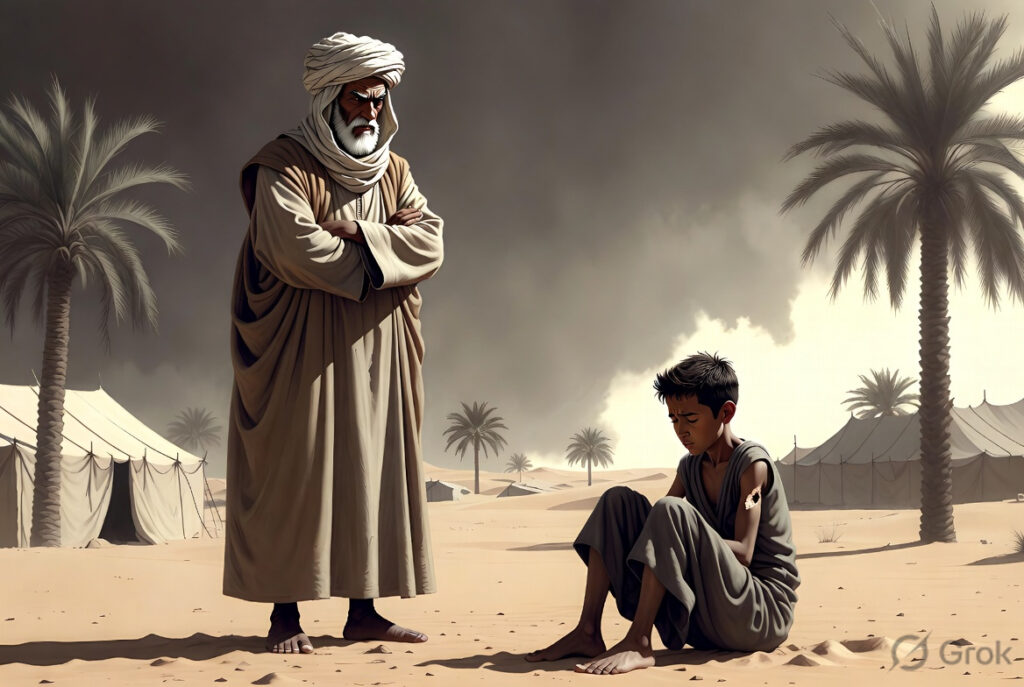
Islamic Sharia imposed almost no real physical punishment on a slave owner for castrating or severely mutilating his own slave. The following incident clearly demonstrates this: Musnad Ahmad bin Hanbal, Hadith 6671 (graded Sahih by Ahmad Shakir): Zanba‘ Abu Rawh found his slave boy with his slave girl, so he cut off the boy’s nose […]
No Four Witnesses Required to Punish Slaves for Fornication – A Ruler or Owner Can Lash Them Based on Rumors or Personal Doubts

In the case of free Muslim women like Aisha, the Prophet Muhammad set very strict conditions for proving zina (unlawful sexual intercourse): Four male eyewitnesses are required. They must have seen the act of penetration clearly (described as “the kohl stick entering the kohl container”). If the four witnesses are not complete, the three accusers […]
It Was Almost Impossible for Slave Girls to Prove They Were Raped – Especially When Pregnant

In Islamic Sharia, proving that a woman (free or enslaved) had been raped was extremely difficult. The standard requirement for proving zina (unlawful sexual intercourse) was four male eyewitnesses who directly observed the act of penetration. Without such testimony, the woman’s claim of rape was rarely accepted. Even worse, if a slave girl (or any […]
Pregnancy of a Virgin Slave Girl Used as Evidence of Fornication – Even if She Was Raped

In Islamic Sharia, proving rape committed by a free Muslim man against a slave girl was practically impossible. The standard requirement for zina (unlawful sexual intercourse) is four male eyewitnesses who directly saw “the act like a kohl stick entering a kohl container” (i.e., penetration). Such testimony was almost never available in cases of rape. […]
No Punishment for a Master Who Kills His Slave by Beating
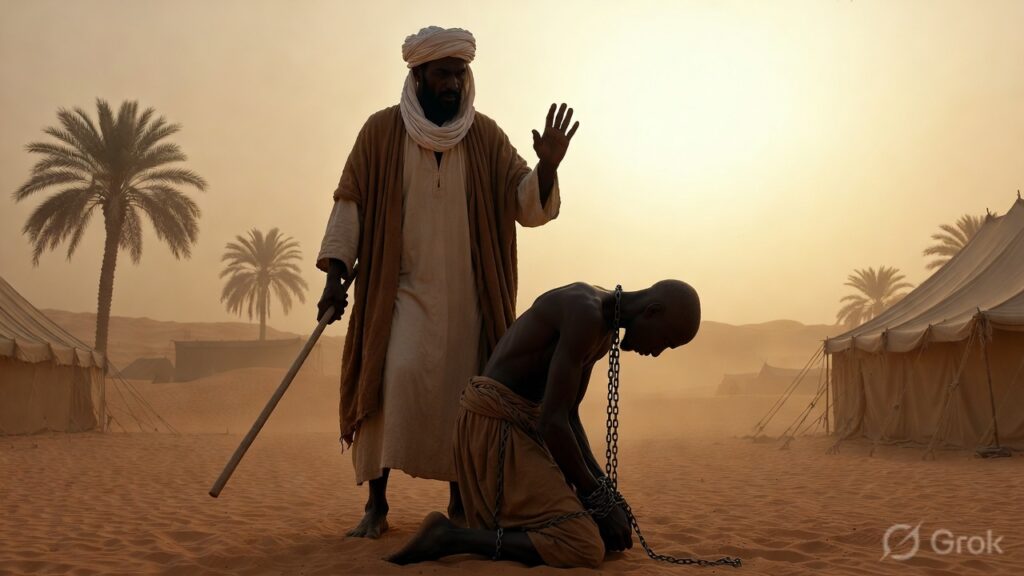
In Islamic Sharia, the rules regarding the killing of a human being varied dramatically depending on the status of the killer and the victim: If a free Muslim kills another free Muslim The killer faces either qiṣāṣ (retaliation — execution) or must pay diyya (blood money). Once diyya is paid, no further physical punishment (qiṣāṣ […]