Under Islamic Sharia, a man did not need any witnesses, nikah (marriage contract), or formal ceremony to have sexual relations with his female slave. He could simply purchase her and begin using her sexually at will.
This rule extended even further: the owner was permitted to “gift” or lend his slave girl to his brother, friend, or any other person. That person could then have sexual relations with her—again without her consent, without witnesses, and without any nikah.
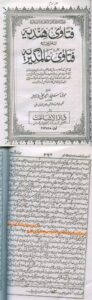
Fatawa Alamgiri (Vol. 3, p. 268, Urdu edition) states clearly: “A single report is sufficient in religious matters. Therefore, if a slave woman comes to any person and tells him that her master gifted her to him, then that person can trust the slave girl and have sexual relations with her.”
This legal position created a dangerous loophole that was widely exploited. Owners compelled their slave women to have sexual relations with multiple men, often forcing them into prostitution to generate income for their masters. (Further details on this practice appear later in the article series.)
The complete absence of any requirement for witnesses or consent—especially when the woman belonged to another man—left enslaved women with no protection whatsoever. Their bodies were treated as transferable property, subject to the owner’s whim and the desires of those he chose to “gift” them to.
This ruling was not a fringe interpretation; it was mainstream classical jurisprudence preserved in one of the most authoritative Hanafi legal compilations.